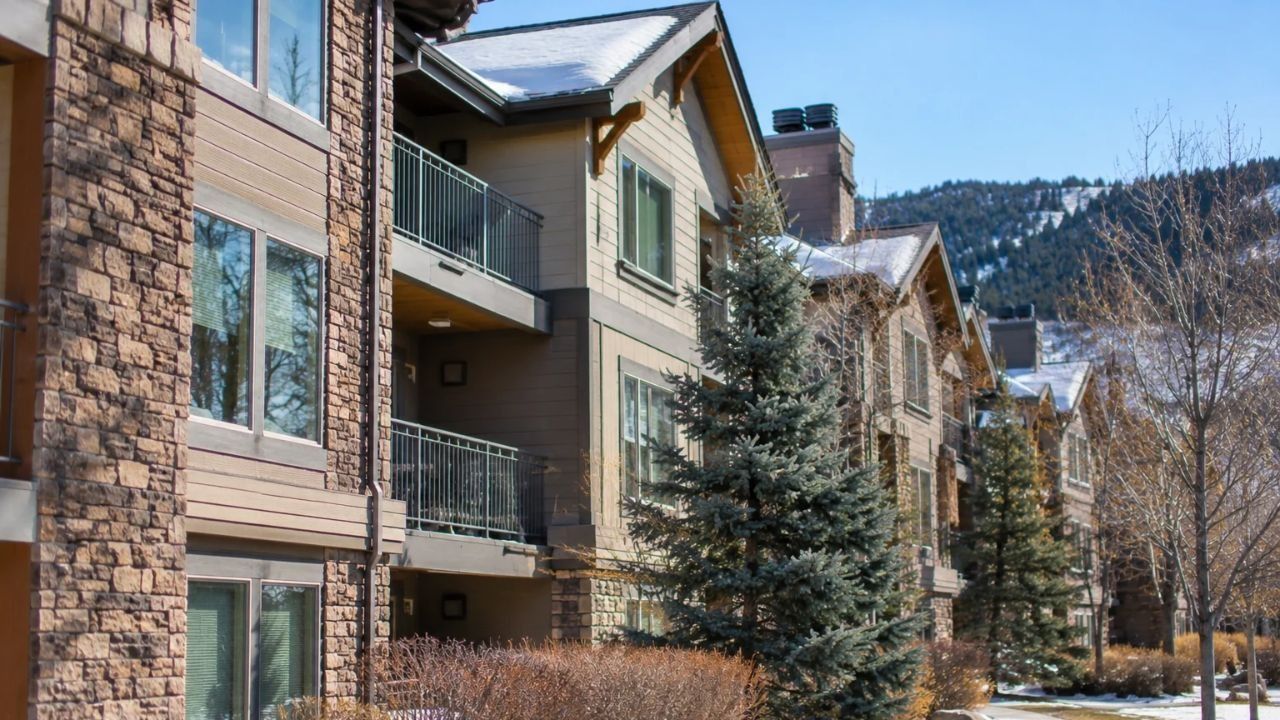
Colorado Condo Association Ordinance or Law Coverage
9:00am - 5:00pm Mon-Fri
We'll Reply in 15min*
A hailstorm tears through a 1978 condo complex in Aurora, and the adjuster confirms the roof and two exterior walls on Building C are a covered loss. Then the city building department weighs in: the damage is extensive enough that the whole structure has to meet current code, including fire sprinklers, energy-efficient envelope upgrades, and accessibility changes that never existed when the building went up. Suddenly the board is staring at a gap of several hundred thousand dollars that the master policy doesn't touch.
That gap is exactly what ordinance or law coverage exists to close. For Colorado condo associations with aging buildings, it's often the single most underinsured line on the master policy. Boards tend to focus on the replacement cost figure and the deductible, then sign off on whatever code coverage sublimit the renewal carried forward from five years ago.
We'll walk through how this coverage works, where the claim fights usually happen, and how to set limits that hold up when a building official, not your adjuster, decides what the rebuild looks like.
The Critical Role of Ordinance or Law Coverage for Colorado Associations
Standard property policies pay to repair or replace what was damaged, using like kind and quality. They don't pay for the extra work a building department requires before it will issue a permit or a certificate of occupancy. That extra work is where ordinance or law protection steps in, and for a Colorado association it can be the difference between rebuilding and levying a five-figure special assessment on every owner.
Colorado's condo inventory skews older in many Front Range markets. Buildings constructed in the 1970s and 1980s were permitted under codes that predate modern fire separation, egress, energy, and seismic standards. When those buildings take a serious loss from hail, wildfire, a burst pipe that floods three floors, or a kitchen fire that spreads through a shared attic, the rebuild almost never matches the original.
One thing to keep in mind: lenders care about this too. To stay eligible for conventional financing, associations generally must carry property insurance at 100% replacement cost with deductibles capped at 5% of the master policy limit. Replacement cost satisfies the lender, but it doesn't account for code-driven expenses. An association can be fully "compliant" on paper and still be badly exposed.
Under the Colorado Common Interest Ownership Act, the association typically insures the common elements and, depending on your declaration, the building structure itself. That means code-upgrade costs on a covered loss land on the association first. If the coverage isn't there, the board either assesses owners or walks into a lawsuit from owners who expected the master policy to handle it.

By: John Jacquat
Founder & President
Understanding the Three Core Components of Coverage
Most ordinance or law endorsements break into three separate pieces, usually labeled A, B, and C. Each responds to a different financial hit, and each can carry its own limit or share a combined one. Boards that only ask "do we have code coverage?" miss the real question, which is how much sits in each bucket.
Coverage A: Loss to the Undamaged Portion of the Building
This is the piece most boards don't understand until they need it. If a local ordinance requires a building to be torn down once damage passes a certain threshold, the undamaged portion is still a total loss in practical terms. Coverage A pays for the value of that undamaged part.
Picture a 24-unit building where fire destroys 60% of the structure. The other 40% is standing and structurally fine. If the city orders full demolition, a standard policy pays for the 60% that burned and nothing for the 40% that's being knocked down by order. Coverage A fills that hole.
Coverage A is often written as part of the building limit rather than a separate dollar amount. Confirm how your policy handles it, because some forms only pay Coverage A on an actual cash value basis unless the building is actually rebuilt.
Coverage B: Demolition and Debris Removal Costs
Coverage B pays to tear down the undamaged portion and haul it away. Standard debris removal provisions cover clearing the damaged material, but they rarely extend to demolishing sound structure that a code official condemns.
Demolition on older buildings gets expensive fast because of what's inside the walls. Hazardous material abatement, such as asbestos or lead removal, typically adds between $3,500 and $5,200 to a standard residential demolition claim. That figure reflects a single residential structure. A multi-unit condo building with popcorn ceilings, vinyl asbestos tile, and lead-painted trim in every unit can run far higher, so treat that number as a floor, not an estimate for a whole complex.
Coverage C: Increased Cost of Construction for Code Upgrades
Coverage C pays the difference between rebuilding to the old standard and rebuilding to current code. This is the bucket that funds sprinkler systems, upgraded electrical service, energy code compliance, accessibility requirements, wider stairwells, and updated fire-rated assemblies between units.
The catch is that Coverage C usually only pays if you actually rebuild, and it often requires you to rebuild on the same site. If the association decides to take a cash settlement or relocate, Coverage C may not respond at all. Read the conditions before the board votes on any rebuild decision.
Colorado Building Codes and the 50% Rule
Colorado doesn't have a single statewide building code that applies everywhere. Code adoption happens largely at the municipal and county level, which means Denver, Boulder, Colorado Springs, Fort Collins, and mountain towns like Breckenridge can each be on different editions of the International Building Code and International Residential Code, with their own local amendments. The rebuild requirements for an identical loss can vary meaningfully depending on which side of a city line your building sits.
Many jurisdictions follow some version of a "substantial damage" or "50% rule." When the cost to repair a structure reaches roughly half its value, the entire building may need to come into compliance with current code, not just the repaired sections. In some floodplain areas, this threshold ties directly to floodplain management rules. Your local building department, not the insurance policy, decides how that rule applies.
Here's what that means for you: a loss that looks like a partial repair can flip into a full-code rebuild once the damage estimate crosses the local threshold. Boards should know their jurisdiction's specific trigger and which code edition is currently adopted.
Energy codes deserve special attention. Several Colorado communities have adopted aggressive energy and electrification requirements in recent years, and those can drive substantial Coverage C costs on a rebuild. Ask your building department or a local contractor which energy code edition applies to multifamily construction in your area right now. Watch the Colorado Division of Insurance's
ongoing rulemaking activity as well, since state insurance regulations affecting HOA policies continue to evolve.
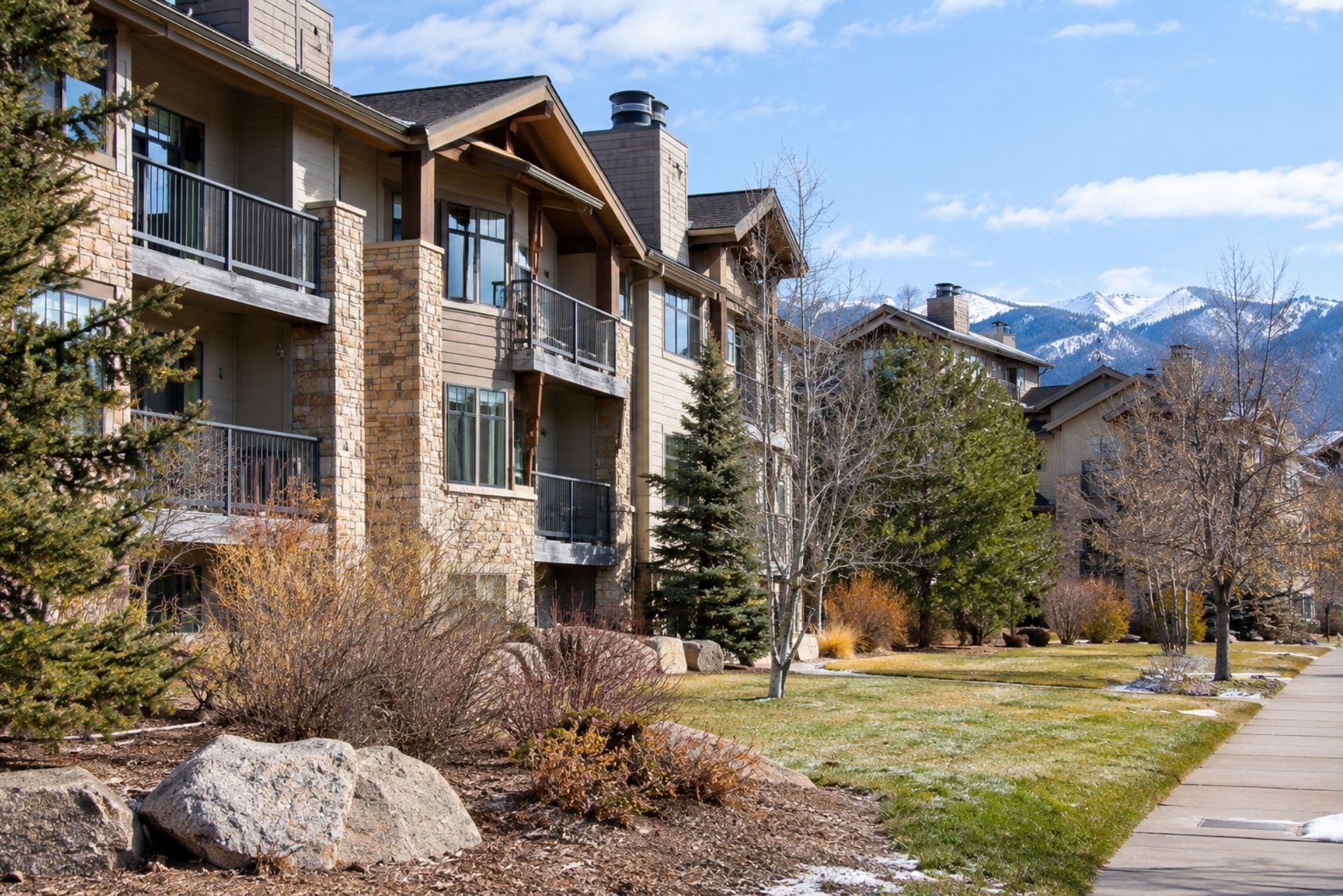
Comparing Standard Property Insurance vs. Ordinance or Law
The easiest way to see the gap is side by side. The table below shows how a typical master policy responds with and without an ordinance or law endorsement after a major covered loss.
| Cost After a Covered Loss | Standard Property Policy | With Ordinance or Law Endorsement |
|---|---|---|
| Repairing damaged portion | Covered to like kind and quality | Covered |
| Value of undamaged portion ordered demolished | Not covered | Covered under Coverage A |
| Demolishing undamaged structure | Not covered | Covered under Coverage B |
| Debris removal of damaged material | Covered, often sublimited | Covered |
| Sprinklers, energy, accessibility upgrades | Not covered | Covered under Coverage C |
| Upgrades if you don't rebuild | Not covered | Often not covered for Coverage C |
| Upgrades on undamaged building with no loss | Not covered | Not covered |
That last row trips up boards regularly. Ordinance or law coverage only responds when a covered loss triggers code enforcement. If the city changes its code and demands upgrades on a building that hasn't been damaged, that's a capital expense, not an insurance claim. Fund it through reserves.
Another common mistake is assuming "replacement cost" includes code upgrades. It doesn't. Replacement cost means replacing what you had. Code coverage pays for what the law now requires you to have, and those two numbers drift further apart every year a building ages.
Calculating Adequate Coverage Limits for Aging Condo Structures
Most master policies come with a default ordinance or law sublimit, often a small percentage of the building limit or a modest flat dollar figure. Those defaults were not built with a 45-year-old, three-story wood-frame building in Lakewood in mind. Setting the right limits takes actual analysis.
Start with your reserve study. Developers of new Colorado condo associations are required to fund and provide an independent 30-year professional reserve study before turning control over to homeowners. Older associations should have updated studies too. A good reserve specialist can flag the code deficiencies in your buildings, such as missing sprinklers, outdated electrical, or non-compliant fire separation, which are exactly the items that will drive Coverage C costs.
Next, ask a contractor or appraiser for a code-compliance estimate, not just a replacement cost appraisal. Many insurance-to-value appraisals ignore code entirely. You want someone to price what rebuilding under current local code would actually cost, then compare that against your current limits.
Evaluating Blanket Limits vs. Scheduled Limits
Ordinance or law limits can be written two ways. Scheduled limits assign a separate dollar amount to Coverage A, B, and C individually. A blanket or combined limit puts B and C (sometimes all three) into one pool that can be drawn on as needed.
Blanket limits are usually the better choice for associations because you can't predict whether demolition or construction upgrades will eat more of the claim. A scheduled $250,000 for Coverage B does no good if demolition only costs $80,000 and your Coverage C upgrades run $600,000 against a $300,000 limit. With a combined limit, unused demolition money can flow toward upgrades.
That said, check whether a blanket limit applies per building or per occurrence. For a wildfire or major hail event that hits multiple buildings in your complex, a per-occurrence limit gets divided fast.
Factors Influencing Local Construction Costs in Colorado
Several Colorado-specific pressures push code upgrade costs higher than national averages suggest:
- Mountain and resort locations: Short building seasons, labor shortages, and material transport costs inflate rebuild prices in high-country communities.
- Wildfire-urban interface rules: Jurisdictions in WUI zones may require ignition-resistant siding, vents, decking, and Class A roofing on any rebuild.
- Post-catastrophe demand surge: After major hail or fire events, contractor pricing can spike across an entire metro area for months.
- Local energy and electrification codes: Some municipalities now impose requirements that add significant cost to multifamily construction.
- Snow load and wind requirements: Updated structural standards at higher elevations can force heavier framing and roof assemblies.
There's an upside on the mitigation side. Insurers using wildfire risk models
must now disclose property risk scores in writing and provide premium credits for mitigation efforts like Class A roofing. Associations can also apply to the Strengthen Colorado Homes Enterprise program, which
offers grants to associations for retrofitting roofs with resilient materials to reduce hail damage. Upgrading proactively shrinks future Coverage C exposure and can lower premiums at the same time.
Ordinance or law claims get disputed more often than straightforward property claims because they depend on documentation from third parties, mainly the building department. Adjusters want proof that a specific code requirement was enforced as a direct result of the covered loss. If you can't show that link, expect pushback.
Follow these steps after a major loss:
- Notify your carrier and broker immediately. Report the claim and specifically reference the ordinance or law endorsement so it's on the adjuster's radar from day one.
- Get the building department involved early. Request written determinations on whether the damage exceeds the substantial damage threshold and exactly which code provisions apply to the rebuild.
- Keep every official document. Demolition orders, permit conditions, inspection reports, and correspondence from code officials are the backbone of your Coverage A, B, and C claims.
- Separate your estimates. Have your contractor price the like-kind repair and the code-upgrade work as distinct line items. Blended estimates make it easy for the adjuster to dispute what's code-driven.
- Document abatement findings. If testing turns up asbestos or lead, keep lab reports and abatement contracts tied to the demolition order.
- Track the rebuild timeline. Many policies require you to rebuild within a set period, often two years, to collect Coverage C. Note the deadline and request an extension in writing if permitting delays push you past it.
One argument you may hear from adjusters is that the code requirement already existed before the loss, so the upgrade isn't caused by the damage. Courts haven't always bought that. In one federal appellate case, the court held that a covered peril only needs to be a "but-for" cause of code enforcement to trigger the coverage, even if the requirement predated the loss. That ruling came from the Eighth Circuit, not a Colorado court, so it isn't binding here. Your attorney may still find it useful as persuasive authority in a dispute.
If the claim stalls, a public adjuster with code-claim experience or an attorney familiar with Colorado insurance bad-faith law can help. Colorado has statutory remedies for unreasonable delay or denial of covered benefits, so document every request and response.
Common Questions About Building Code Insurance
Does our master policy automatically include ordinance or law coverage? Some forms include a small built-in amount, but it's usually far too low for an older building. Check your declarations page and endorsements for the actual limits on Coverage A, B, and C.
Who pays for code upgrades inside individual units? It depends on your declaration and which party insures the unit interior. Owners should check whether their HO-6 policy includes building code coverage for improvements they're responsible for.
Will this coverage pay if the city requires sprinklers but our building wasn't damaged? No. The coverage only responds when a covered loss triggers code enforcement. Planned upgrades without a loss belong in your reserve budget.
How much ordinance or law coverage should our association carry? There's no universal percentage. Base it on a code-compliance estimate for your specific buildings and local jurisdiction, then review it at every renewal.
What happens if we decide not to rebuild after a big loss? You may still collect for the damaged and undamaged portions, but Coverage C for upgrades typically only pays when you actually rebuild. Talk to your broker before the board votes.
Can mitigation work lower our premiums? Often, yes. Wildfire mitigation and Class A roofing can earn premium credits, and grant programs may help fund roof retrofits.
Protecting Your Association Assets for the Long Term
Getting ordinance or law protection right for your Colorado condo association comes down to treating it as a planning exercise, not a checkbox. Know which code edition your jurisdiction enforces, understand its substantial damage threshold, and price what a full-code rebuild of each building would actually cost. Then compare that number against your current Coverage A, B, and C limits, not just your replacement cost figure.
Pair the insurance review with your reserve study. Code deficiencies that show up in the study should inform both your coverage limits and your capital plan, because some upgrades are cheaper to make now than to fight over in a claim later. Mitigation projects like resilient roofing reduce risk on both fronts.
Your next step is simple: pull your current master policy, find the ordinance or law endorsement, and schedule a renewal review with your broker at least 90 days before the policy expires. Bring your reserve study and ask for a code-compliance estimate. The board that does this homework before the hailstorm is the one that rebuilds without a special assessment.
ABOUT THE AUTHOR:
John Jacquat
As President of Pure Risk Advisors, I’m dedicated to helping clients protect what matters most through clear, personalized insurance solutions. Since 2009, my focus has been delivering trusted coverage and guidance for individuals and businesses across Colorado and beyond.
The Pure Risk Process
Process of Working With A Business Insurance Agent in Colorado

Risk Analysis & Tailoring
Embark on a meticulous exploration of your business's unique vulnerabilities and aspirations. Pure Risk Advisors goes beyond mere coverage, ensuring you're equipped with solutions finely tuned to Colorado’s distinct business landscape.

Strategic Business Consultation
Dive deep into a strategic session with our seasoned specialists. By delving into your business model, aspirations, and challenges, we align our insurance recommendations not just to protect but to propel your business forward, keeping in mind Colorado’s intricate regulatory environment.

Swift Policy Integration
Upon discerning the optimal protection strategy, we streamline the activation process. Partnering with Pure Risk Advisors means more than just business insurance – it's about securing your enterprise's future with unmatched diligence and expertise in Colorado.
Pure Risk Advisors Team
Meet Our Colorado Professional Team Members
Meet the heart and soul of Pure Risk Advisors: our exceptional team. Each individual has been meticulously selected not just for their deep-rooted industry knowledge, but for their passion and commitment to genuinely serve our clients.
We pride ourselves on forging more than just business transactions; we build relationships. Our team doesn't see you as just another policy number. Instead, they view every interaction as a partnership, crafting solutions that resonate with your unique needs.
Dive in, get to know us, and discover firsthand why our team makes all the difference.



Client Testimonials
Amazing Feedback About Pure Risk Advisors


In today’s insurance marketplace, innovation and originality are important - but unless they’re accompanied by integrity and personalized service, they do little to accomplish a club owner’s goals. ACE National is proud to recognize John Jacquat and his company, Pure Risk Solutions, as one of our top-ranked premier industry providers. John has consistently mastered achievement in leadership, creating the best product for a client’s needs and following through on his word. I can recommend Mr. Jacquat without reserve if you’re in the market for club insurance.
Angelina Spencer
Executive Director of Ace National
Business Insurance Coverage in Colorado
Commercial Insurance Options
Business Owner's Policy
Coverage for property damage, liability, and business interruption combined.
General Liability Insurance
Protects against business liabilities like bodily injury and property damage.
Workers' Comp. Insurance
Covers employee injury costs, ensuring business and worker protection.
Professional Liability Insurance
Guard against professional mistakes, negligence, or services rendered failures.
Commercial Property Insurance
Broad protection against business-related injuries or property damage claims.
Commercial Auto Insurance
Coverage for business vehicles against damage, injury, or liability.
We've been serving Colorado Business Since 2009
Industries Served
Latest News & Blog
Read Our Latest Articles