Colorado Wedding Vendor Insurance
9:00am - 5:00pm Mon-Fri
We'll Reply in 15min*
A single vendor mishap can unravel months of wedding planning, and the financial fallout doesn't stop at refunds. Vendor-related issues now
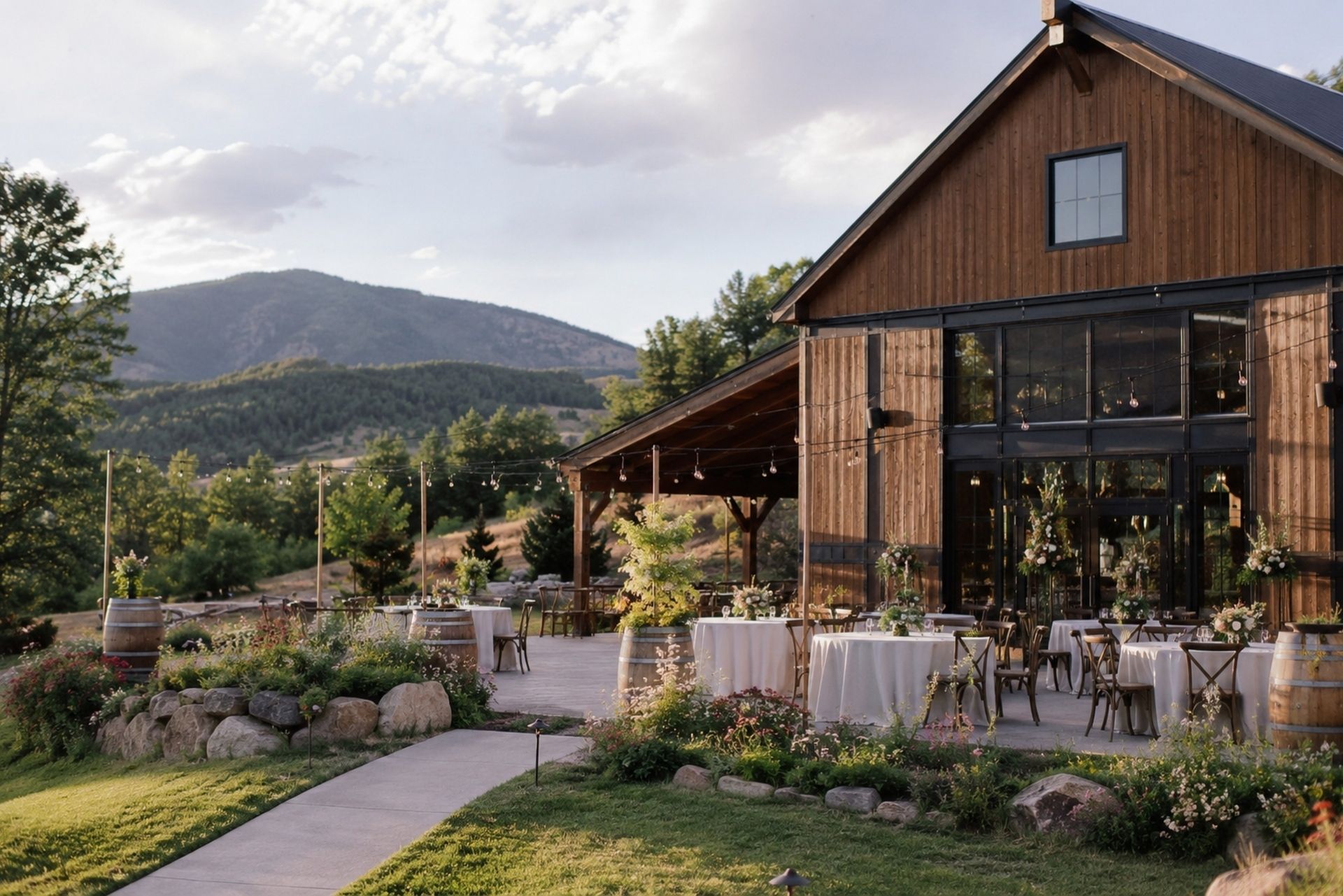
account for 55% of all wedding insurance claims, a figure that's climbed sharply over the past two years. If you're a photographer, florist, DJ, caterer, or planner working weddings in Colorado, you're operating in a state with unique terrain, unpredictable weather, and venue contracts that don't mess around. One damaged speaker at a mountaintop ceremony or a food-borne illness at a barn reception, and you're staring down a claim that could sink your business. Getting Colorado wedding vendor insurance explained clearly, without jargon, is the first step toward protecting what you've built. This guide breaks down the coverage types, state rules, and practical steps you need to know right now, whether you're a solo operator or running a small crew.
Why Colorado Wedding Vendors Need Specialized Coverage
Colorado isn't like working weddings in a hotel ballroom in Dallas. The state's geography, altitude, and climate create risks that generic policies often miss. Venues range from ski lodges at 10,000 feet to open-air ranches on the Front Range where hailstorms roll in without warning. Your insurance needs to account for all of it.
The wedding insurance market itself is growing rapidly as more couples and vendors recognize these risks. That growth means more carriers are offering policies, but it also means you need to be selective. A cheap policy from an out-of-state provider may not understand the realities of working in the Rockies.
Meeting Venue Requirements at Mountain Resorts
Most Colorado resort and ranch venues require vendors to carry a minimum of $1 million in general liability coverage before setting foot on the property. Some high-end venues, like those in Vail, Aspen, or Telluride, push that to $2 million. They'll also ask you to name them as an additional insured on your policy, which is standard but catches first-time vendors off guard.
If you can't produce a certificate of insurance (COI) that meets their exact requirements, you lose the booking. It's that simple. We've seen florists and DJs turned away the week of a wedding because their COI listed the wrong coverage amount or didn't include the venue's legal entity name. Keep a template ready and know how to request a COI from your insurer within 24 hours.
Protecting Your Business from High-Altitude Risks
Altitude affects equipment. Batteries drain faster above 8,000 feet. Propane tanks for outdoor heating behave differently. Vehicles hauling heavy gear up mountain passes face brake and tire stress that flatland driving doesn't produce. If your catering van slides off a gravel road near Crested Butte and destroys $15,000 in food and equipment, your personal auto policy won't cover the business loss.
Weather is the other wildcard. Colorado's afternoon thunderstorms can appear in under 30 minutes during summer wedding season. Lightning, hail, and sudden wind gusts damage tents, floral installations, and sound equipment regularly. Your policy should cover weather-related damage to your gear, not just liability for injuries

By: John Jacquat
Founder & President
Core Types of Business Insurance for Pros
Understanding the difference between policy types saves you from buying coverage you don't need, or worse, missing coverage you do.
General Liability vs. Professional Liability
General liability (GL) covers bodily injury and property damage. If a guest trips over your speaker cable and breaks a wrist, GL handles it. If your lighting rig falls and scratches a venue's hardwood floor, that's GL too.
Professional liability, sometimes called errors and omissions (E&O), covers mistakes in your professional services. A wedding planner who books the wrong date, a photographer who loses image files, or a caterer who serves a dish containing an allergen the couple flagged in writing: these are professional liability claims. GL won't touch them.
Most vendors need both. Here's a quick comparison:
| General Liability | Professional Liability | |
|---|---|---|
| Covers | Bodily injury, property damage | Service errors, omissions, negligence |
| Example claim | Guest slips on wet dance floor | Photographer delivers corrupted files |
| Typical limit | $1M per occurrence / $2M aggregate | $1M per claim / $1M aggregate |
| Required by venues? | Almost always | Rarely, but smart to carry |
| Annual cost range | $400 - $1,200 | $300 - $800 |
Equipment and Inland Marine Coverage
Your camera bodies, lenses, mixers, speakers, floral coolers, and chafing dishes aren't covered under a standard GL policy. You need inland marine insurance, which protects movable business property in transit and at job sites.
This matters more in Colorado than in many states because you're constantly transporting gear through mountain terrain. A standard homeowner's or renter's policy caps business equipment coverage at painfully low amounts, often $2,500 or less. If you're hauling $20,000 in photography gear to a Breckenridge wedding, that gap could ruin you.
Get a policy that covers replacement cost, not actual cash value. The difference means getting a new camera body versus receiving a depreciated payout that covers half of one.
Comparing Coverage: General Liability vs. Professional Liability
We touched on the basics above, but the distinction deserves a closer look because it's the single most common point of confusion among wedding vendors we talk to. Many pros assume their GL policy is a catch-all. It isn't.
Here's a real-world scenario: A DJ plays the wrong first-dance song because of a miscommunication with the couple. The couple is furious, demands a full refund, and threatens to sue for emotional distress. No one was physically injured. No property was damaged. GL doesn't apply here. This is a professional liability claim, pure and simple.
On the flip side, if that same DJ's subwoofer overheats and scorches a venue's carpet, that's property damage, and GL kicks in. The key question is always: did the harm come from your physical presence and equipment, or from a failure in the service you promised to deliver? Legal and compliance obligations for wedding vendors vary by contract, so read yours carefully.
Carrying both policies doesn't have to be expensive. Bundling GL and professional liability through a business owner's policy (BOP) often runs between $600 and $1,500 per year for a solo wedding vendor in Colorado. That's less than the deposit on most Aspen venue bookings.

State-Specific Rules and Workers' Compensation
Colorado has its own set of employment and insurance regulations that affect wedding vendors directly, especially if you're growing beyond a one-person operation.
Colorado Requirements for Small Businesses
Colorado requires workers' compensation insurance for any business with one or more employees, with very few exceptions. This isn't optional. If you hire even a part-time assistant to help carry gear or manage day-of logistics, you need a workers' comp policy. The state's Division of Workers' Compensation enforces this aggressively, and fines for non-compliance start at $250 per day.
The 2026 legislative session also introduced new compliance requirements for employers that affect how businesses classify workers. If you're a wedding vendor with any staff, you should review these updates now.
Hiring Independent Contractors vs. Employees
Many wedding vendors bring on second shooters, assistant planners, or day-of helpers as independent contractors. Colorado uses a multi-factor test to determine whether someone is truly an independent contractor or an employee. If the state reclassifies your "contractor" as an employee, you're on the hook for back workers' comp premiums, unemployment insurance, and penalties.
The safest approach: if someone works only for you, follows your schedule, and uses your equipment, they're probably an employee in Colorado's eyes. Structure your contracts accordingly, and talk to an insurance agent who understands the distinction. Misclassification is one of the costliest mistakes small wedding businesses make.
Common Questions About Wedding Vendor Insurance
Do I need insurance if I only do a few weddings per year? Yes. One claim can cost more than years of premiums. Venues will require proof of coverage regardless of how many events you book.
Can I get coverage for a single event instead of an annual policy? Some carriers offer per-event policies, but they're usually more expensive per dollar of coverage. If you do more than three or four weddings a year, an annual policy is almost always the better deal.
Does my homeowner's insurance cover my wedding business equipment? Typically no, or only up to a very small limit. Home policies exclude or severely limit coverage for business property and business-related liability. Don't rely on it.
What happens if a couple sues me for ruining their wedding? Professional liability insurance covers defense costs and settlements related to service failures. Without it, you'd pay legal fees out of pocket, which can reach $10,000 or more before a case even goes to trial.
How quickly can I get a certificate of insurance? Most insurers can issue a COI within one business day. Some online platforms generate them instantly. Have your policy in place well before your first booking of the season.
Are there group policies for wedding vendor teams? Some industry associations offer group rates. Check with your local wedding planner association or photography guild. Group policies can reduce individual costs by 10-20%.
Does insurance cover weather cancellations?
Your vendor insurance typically doesn't cover cancellations caused by weather. That's the couple's responsibility through event cancellation insurance. Your policy covers damage to your equipment and liability for injuries, not lost revenue from a rained-out ceremony.
Getting the right insurance for your Colorado wedding business doesn't require weeks of research, but it does require some intentional steps. Start by listing every service you offer, every piece of equipment you own, and every venue that's asked you for a COI in the past year. That inventory becomes your shopping list when you talk to an agent.
Request quotes from at least three carriers. Compare not just price but coverage limits, exclusions, and how quickly they issue certificates. Ask specifically about altitude and weather-related equipment damage, because not every policy includes it by default. The rising frequency of vendor-related claims means carriers are paying closer attention to wedding industry risks, so policies are becoming more tailored but also more varied.
If you're a solo operator doing fewer than ten weddings a year, a BOP with inland marine coverage is likely your best starting point. If you have employees or regularly hire subcontractors, add workers' comp and review your contractor agreements with a Colorado-based insurance professional. Don't wait for a venue to reject your COI or a claim to hit your bank account. Get covered before your next booking, and build insurance costs into your pricing so it never feels like an afterthought.
ABOUT THE AUTHOR:
John Jacquat
As President of Pure Risk Advisors, I’m dedicated to helping clients protect what matters most through clear, personalized insurance solutions. Since 2009, my focus has been delivering trusted coverage and guidance for individuals and businesses across Colorado and beyond.
The Pure Risk Process
Process of Working With A Business Insurance Agent in Colorado

Risk Analysis & Tailoring
Embark on a meticulous exploration of your business's unique vulnerabilities and aspirations. Pure Risk Advisors goes beyond mere coverage, ensuring you're equipped with solutions finely tuned to Colorado’s distinct business landscape.

Strategic Business Consultation
Dive deep into a strategic session with our seasoned specialists. By delving into your business model, aspirations, and challenges, we align our insurance recommendations not just to protect but to propel your business forward, keeping in mind Colorado’s intricate regulatory environment.

Swift Policy Integration
Upon discerning the optimal protection strategy, we streamline the activation process. Partnering with Pure Risk Advisors means more than just business insurance – it's about securing your enterprise's future with unmatched diligence and expertise in Colorado.
Pure Risk Advisors Team
Meet Our Colorado Professional Team Members
Meet the heart and soul of Pure Risk Advisors: our exceptional team. Each individual has been meticulously selected not just for their deep-rooted industry knowledge, but for their passion and commitment to genuinely serve our clients.
We pride ourselves on forging more than just business transactions; we build relationships. Our team doesn't see you as just another policy number. Instead, they view every interaction as a partnership, crafting solutions that resonate with your unique needs.
Dive in, get to know us, and discover firsthand why our team makes all the difference.




Client Testimonials
Amazing Feedback About Pure Risk Advisors


In today’s insurance marketplace, innovation and originality are important - but unless they’re accompanied by integrity and personalized service, they do little to accomplish a club owner’s goals. ACE National is proud to recognize John Jacquat and his company, Pure Risk Solutions, as one of our top-ranked premier industry providers. John has consistently mastered achievement in leadership, creating the best product for a client’s needs and following through on his word. I can recommend Mr. Jacquat without reserve if you’re in the market for club insurance.
Angelina Spencer
Executive Director of Ace National
Business Insurance Coverage in Colorado
Commercial Insurance Options
Business Owner's Policy
Coverage for property damage, liability, and business interruption combined.
General Liability Insurance
Protects against business liabilities like bodily injury and property damage.
Workers' Comp. Insurance
Covers employee injury costs, ensuring business and worker protection.
Professional Liability Insurance
Guard against professional mistakes, negligence, or services rendered failures.
Commercial Property Insurance
Broad protection against business-related injuries or property damage claims.
Commercial Auto Insurance
Coverage for business vehicles against damage, injury, or liability.
We've been serving Colorado Business Since 2009
Industries Served
Latest News & Blog
Read Our Latest Articles