Colorado Springs Condo Association Insurance
9:00am - 5:00pm Mon-Fri
We'll Reply in 15min*
Colorado Springs condo associations face a unique mix of insurance challenges. Between severe hailstorms rolling off the Front Range, rising premiums, and the legal obligations that come with managing shared property, getting coverage right isn't optional. Colorado homeowners' insurance premiums have surged by over 100% since 2020, making it the fastest-climbing market in the country. That trend hits condo associations hard because they're insuring entire buildings, not just individual units.
If you serve on a condo board or
manage an association in Colorado Springs, you need a clear understanding of what your
master policy covers, where the gaps hide, and which add-ons are worth the spend. This guide breaks down the core coverage types:
building insurance, liability, D&O, crime, equipment breakdown, and deductibles. We'll cover what Colorado law requires, what the local climate demands, and how to avoid the mistakes that leave associations exposed.
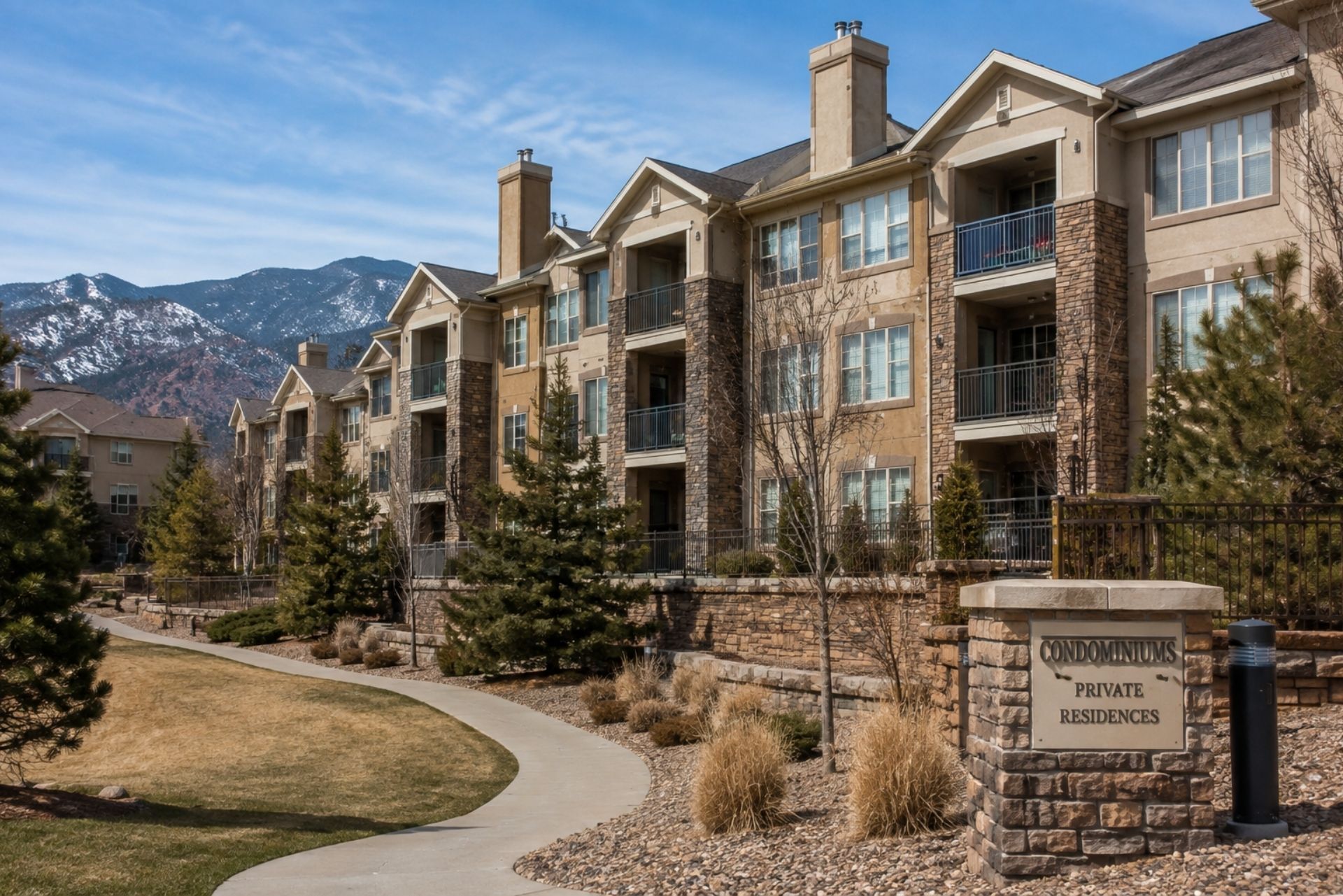
Understanding Master Policies for Colorado Springs Condos
A master policy is the insurance contract your condo association carries to protect common property and shared interests. It's not the same as individual unit-owner policies (often called HO-6 policies). The master policy covers the building structure, common areas, and the association's liability exposure. Every unit owner pays into it through assessments.
The critical distinction is what the master policy includes and what it leaves to individual owners. That line varies depending on your policy type, and getting it wrong creates coverage gaps that surface at the worst possible time, usually during a claim.
Bare Walls vs. All-In Coverage
Bare walls coverage protects only the building structure itself: the exterior walls, roof, floors, and common infrastructure. Anything inside a unit, including fixtures, cabinets, countertops, and flooring, falls on the individual owner to insure. This is the most common and least expensive option for associations, but it pushes significant insurance responsibility onto owners.
All-in coverage goes further. It insures the building structure plus original fixtures and installations within each unit. If a pipe bursts and destroys the kitchen cabinets that were part of the original build, the master policy responds. Upgrades and personal property still fall on the owner. Understanding which type your association carries is essential because it determines
how unit owners should structure their personal HO-6 policies.
Common Area Liability Protection
Your master policy should include general liability coverage for common areas: hallways, lobbies, parking structures, pools, fitness rooms, and walkways. If a visitor slips on an icy sidewalk or a child is injured at the community playground, the association's liability coverage responds.
Most carriers recommend a minimum of $1 million per occurrence with a $2 million aggregate, though larger associations or those with amenities like pools often need higher limits. An umbrella policy layered on top is worth considering, especially since litigation costs in Colorado have been climbing alongside premiums. Don't assume your liability limit is adequate just because it met minimums five years ago.

By: John Jacquat
Founder & President
Colorado-Specific Risks and Requirements
Colorado Springs sits in one of the most active
severe weather corridors in the country. That geographic reality shapes every insurance decision your association makes. On top of weather, the state has specific statutory requirements that govern how associations handle insurance.
Hail and Severe Weather Considerations
Hail is the single largest driver of property insurance claims in the Pikes Peak region. Colorado Springs regularly sees hailstones exceeding one inch in diameter, and storms in 2023 and 2025 caused hundreds of millions in regional damage. Roof replacement on a multi-building condo complex can run into seven figures.
The practical impact: carriers have been raising deductibles, restricting roof coverage, and in some cases declining to renew policies altogether. Many associations now face wind and hail deductibles of 2% to 5% of the insured value rather than a flat dollar amount. On a $10 million property, a 5% hail deductible means $500,000 out of pocket before insurance pays a dime. Boards need to understand
how Colorado's hail season affects their specific coverage and budget reserves accordingly.
Compliance with the Colorado Common Interest Ownership Act (CCIOA)
CCIOA sets the baseline insurance requirements for Colorado condo associations. The statute requires associations to maintain property insurance on insurable common elements and, in most cases, on units as originally built. It also mandates that the association carry general liability insurance.
Boards should review their governing documents alongside CCIOA because your declarations may impose requirements that exceed the statutory minimum. The Colorado Division of Insurance offers a
homeowners and HOA insurance toolkit that's worth reviewing. Recent legislative sessions have introduced bills affecting reserve funding and insurance disclosure, so staying current on pending legislation matters.
Comparing Master Policy Coverage Types
Choosing the right master policy type affects every unit owner in your community. The three main options, bare walls, single entity, and all-in, differ in what they cover inside individual units. Here's a side-by-side comparison.
Comparison Table: Bare Walls vs. Single Entity vs. All-In
| Feature | Bare Walls | Single Entity | All-In |
|---|---|---|---|
| Building structure | Covered | Covered | Covered |
| Common areas | Covered | Covered | Covered |
| Original unit fixtures | Not covered | Covered | Covered |
| Owner improvements | Not covered | Not covered | Covered |
| Personal property | Not covered | Not covered | Not covered |
| Association premium cost | Lowest | Moderate | Highest |
| Owner HO-6 burden | Highest | Moderate | Lowest |
| Best for | Budget-conscious associations | Balanced approach | Associations wanting comprehensive protection |
Single entity coverage sits in the middle. It covers the structure and original fixtures but excludes owner upgrades. For associations where most units have been renovated, single entity may leave significant gaps. The right choice depends on your community's age, the extent of unit modifications, and your budget. Getting a detailed quote comparison from a carrier familiar with Colorado Springs associations will clarify the cost differences.
Essential Add-Ons for Local Associations
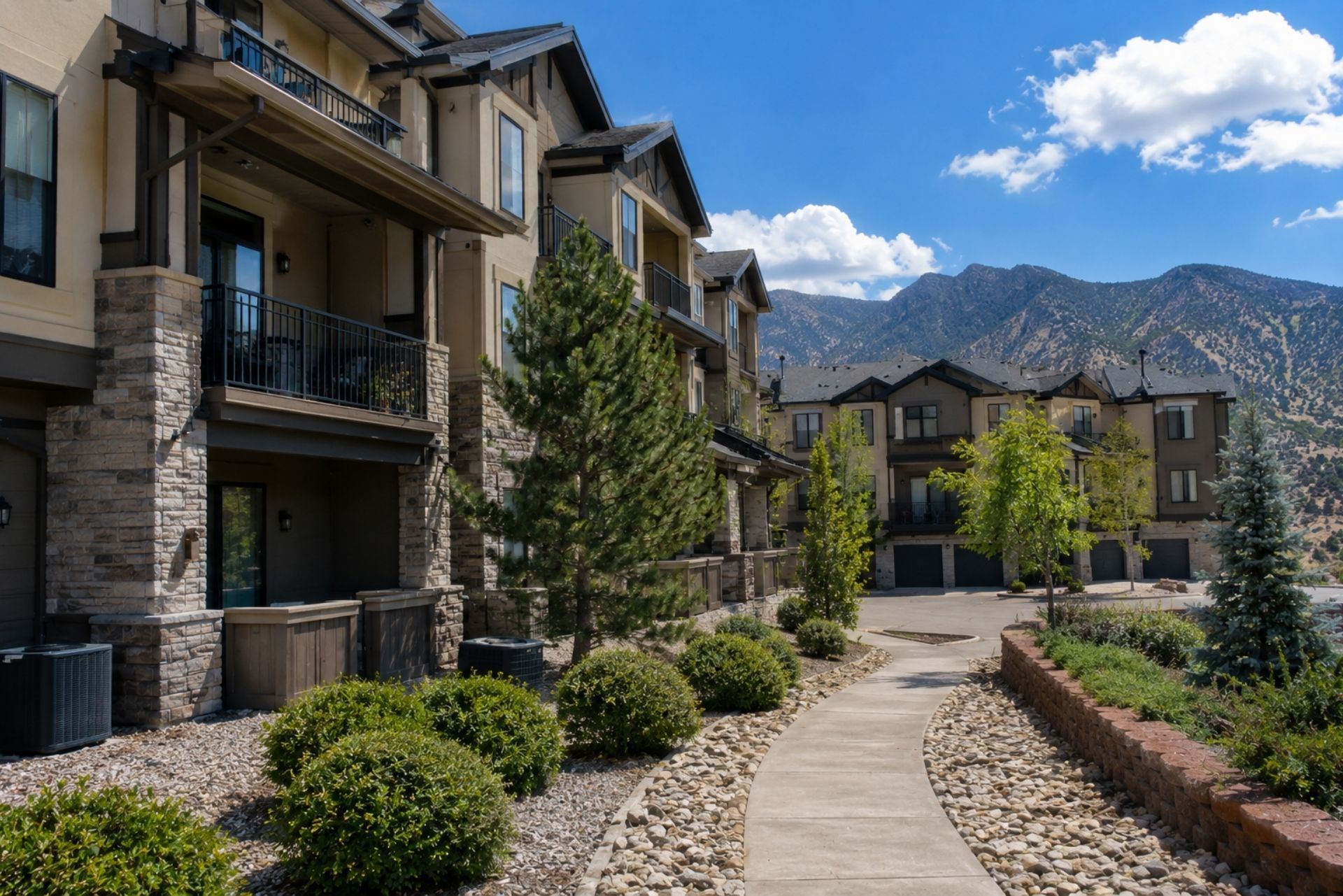
Your master policy's property and liability coverage forms the foundation. But several endorsements and standalone policies fill gaps that the base policy doesn't touch. Skipping these can leave your board personally exposed or your association financially vulnerable.
Directors and Officers (D&O) Liability
Board members make decisions that affect property values, budgets, and residents' daily lives. D&O insurance protects them when those decisions lead to lawsuits. Common claims include allegations of mismanaging funds, failing to maintain property, selective enforcement of rules, or inadequate insurance coverage itself.
The wave of D&O claims hitting associations in 2026 includes
suits over deferred maintenance, reserve shortfalls, and transparency failures. Without D&O coverage, individual board members could face personal financial liability. Most policies run between $2,000 and $8,000 annually depending on the association's size and claims history. That's a small price compared to defending a single lawsuit.
Ordinance or Law Coverage
Here's a scenario boards overlook: a fire damages 40% of a building, and the city requires the entire structure to be brought up to current building codes during reconstruction. Standard property insurance covers the cost to repair or replace what was damaged. It doesn't cover the cost of upgrading undamaged portions to meet new codes.
Ordinance or law coverage fills that gap. In Colorado Springs, where building codes have been updated multiple times in recent years, this endorsement can prevent six-figure surprises during a major claim.
Fidelity Bond and Crime Coverage
CCIOA requires associations to maintain fidelity bond coverage. This protects the association's funds against theft or embezzlement by board members, property managers, or employees. The typical requirement is coverage equal to at least three months of assessments plus reserves.
Crime coverage goes a step further, protecting against fraud, forgery, and computer theft. Given that many associations now handle payments electronically, the exposure to cyber-related theft has grown. Don't treat the fidelity bond as a checkbox item. Size it to your actual financial exposure.
One more add-on worth mentioning: equipment breakdown coverage. If your association operates boilers, HVAC systems, elevators, or electrical panels, standard property insurance often excludes mechanical or electrical breakdown. A dedicated equipment breakdown policy covers repair or replacement costs and can include spoilage or business interruption losses.
Common Questions About Condo Insurance
Does my HO-6 policy cover what the master policy doesn't? It should, but only if you know where the master policy stops. Review your association's policy type (bare walls, single entity, or all-in) and then structure your HO-6 to pick up where it leaves off. Pay special attention to the loss assessment endorsement.
What's a loss assessment, and why does it matter? If a covered loss exceeds the master policy's limits or falls within the deductible, the association can assess unit owners for the shortfall. A loss assessment endorsement on your HO-6 policy helps cover your share. Standard limits are $1,000 to $5,000, but you can usually increase this for a small premium.
How much does condo association insurance cost in Colorado Springs? It varies widely. A 20-unit complex might pay $15,000 to $30,000 annually, while a 100-unit community with amenities could see $80,000 to $150,000 or more. Hail exposure, building age, claims history, and coverage type all affect pricing.
Can our association be dropped by its insurer? Yes. Carriers in Colorado have been non-renewing associations with frequent hail claims or deferred roof maintenance. If you're dropped, you may end up in a surplus lines market at significantly higher premiums.
Should we raise our deductible to lower premiums? Sometimes, but only if your reserves can absorb it. A higher deductible reduces annual premiums, but a $250,000 hail deductible with $50,000 in reserves is a recipe for a special assessment.
Is umbrella insurance necessary? For most associations, yes. A $1 million liability claim can happen from a single serious injury on your property. An umbrella policy provides an extra layer above your general liability and auto limits.
Making the Right Choice for Your Association
Getting condo association insurance right in Colorado Springs requires more than picking the cheapest quote. You're balancing building protection, liability exposure, board member risk, crime prevention, equipment reliability, and deductible strategy, all while premiums keep climbing.
Start by reviewing your current master policy against your governing documents and CCIOA requirements. Identify where your coverage stops and whether your unit owners understand their responsibilities. Then evaluate your add-ons: D&O, ordinance or law, fidelity bonds, and equipment breakdown. Each one addresses a specific vulnerability that the base policy ignores.
Work with a broker who specializes in community association coverage and knows the Colorado Springs market. They'll understand the hail exposure, the carrier landscape, and the endorsements that matter most here. Don't wait for a claim to find out what's missing. Review your policy annually, adjust your reserves to match your deductibles, and keep your board informed. The associations that handle insurance proactively are the ones that survive the storms, both literal and legal.
ABOUT THE AUTHOR:
John Jacquat
As President of Pure Risk Advisors, I’m dedicated to helping clients protect what matters most through clear, personalized insurance solutions. Since 2009, my focus has been delivering trusted coverage and guidance for individuals and businesses across Colorado and beyond.
The Pure Risk Process
Process of Working With A Business Insurance Agent in Colorado

Risk Analysis & Tailoring
Embark on a meticulous exploration of your business's unique vulnerabilities and aspirations. Pure Risk Advisors goes beyond mere coverage, ensuring you're equipped with solutions finely tuned to Colorado’s distinct business landscape.

Strategic Business Consultation
Dive deep into a strategic session with our seasoned specialists. By delving into your business model, aspirations, and challenges, we align our insurance recommendations not just to protect but to propel your business forward, keeping in mind Colorado’s intricate regulatory environment.

Swift Policy Integration
Upon discerning the optimal protection strategy, we streamline the activation process. Partnering with Pure Risk Advisors means more than just business insurance – it's about securing your enterprise's future with unmatched diligence and expertise in Colorado.
Pure Risk Advisors Team
Meet Our Colorado Professional Team Members
Meet the heart and soul of Pure Risk Advisors: our exceptional team. Each individual has been meticulously selected not just for their deep-rooted industry knowledge, but for their passion and commitment to genuinely serve our clients.
We pride ourselves on forging more than just business transactions; we build relationships. Our team doesn't see you as just another policy number. Instead, they view every interaction as a partnership, crafting solutions that resonate with your unique needs.
Dive in, get to know us, and discover firsthand why our team makes all the difference.




Client Testimonials
Amazing Feedback About Pure Risk Advisors


In today’s insurance marketplace, innovation and originality are important - but unless they’re accompanied by integrity and personalized service, they do little to accomplish a club owner’s goals. ACE National is proud to recognize John Jacquat and his company, Pure Risk Solutions, as one of our top-ranked premier industry providers. John has consistently mastered achievement in leadership, creating the best product for a client’s needs and following through on his word. I can recommend Mr. Jacquat without reserve if you’re in the market for club insurance.
Angelina Spencer
Executive Director of Ace National
Business Insurance Coverage in Colorado
Commercial Insurance Options
Business Owner's Policy
Coverage for property damage, liability, and business interruption combined.
General Liability Insurance
Protects against business liabilities like bodily injury and property damage.
Workers' Comp. Insurance
Covers employee injury costs, ensuring business and worker protection.
Professional Liability Insurance
Guard against professional mistakes, negligence, or services rendered failures.
Commercial Property Insurance
Broad protection against business-related injuries or property damage claims.
Commercial Auto Insurance
Coverage for business vehicles against damage, injury, or liability.
We've been serving Colorado Business Since 2009
Industries Served
Latest News & Blog
Read Our Latest Articles