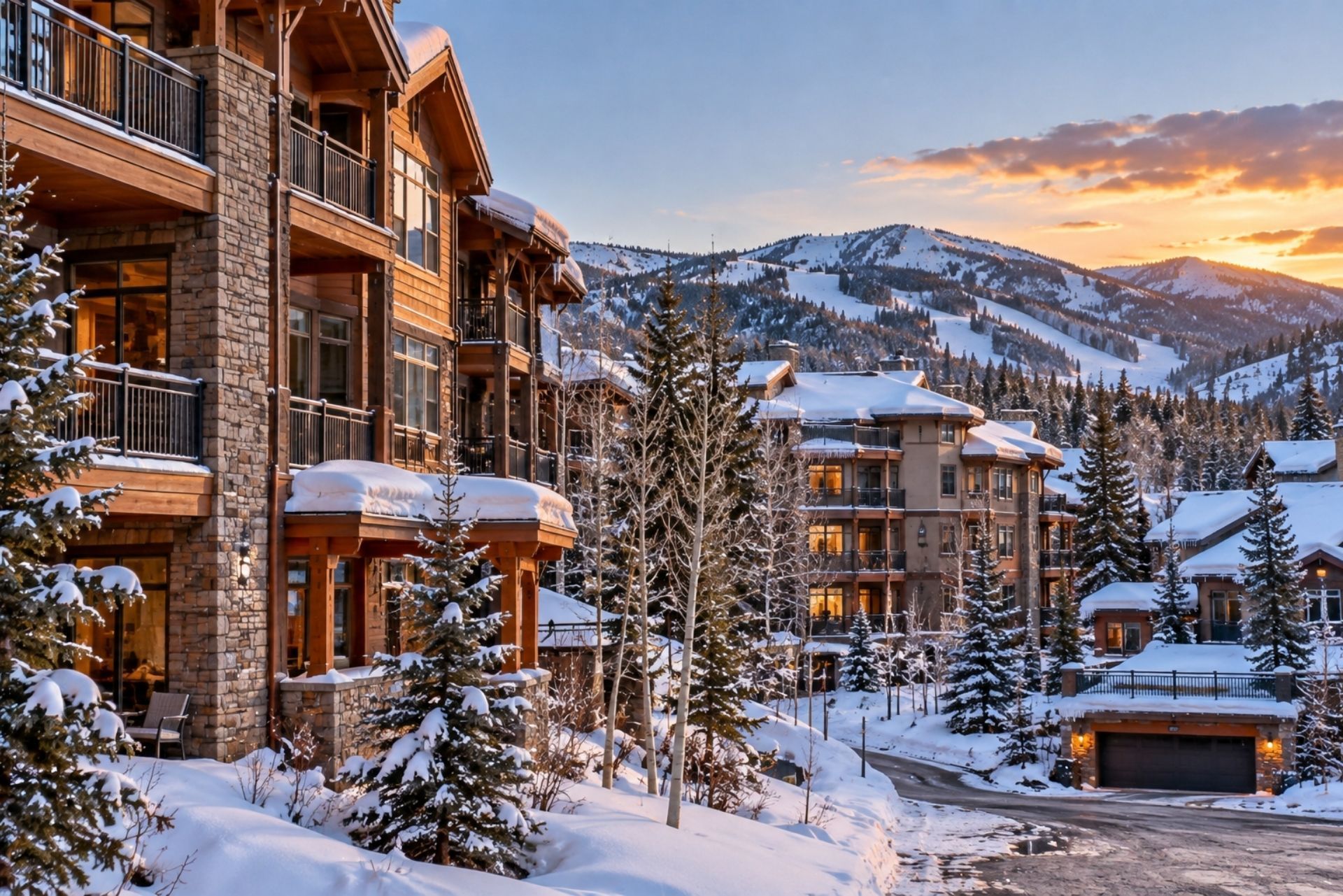
Keystone Condo Association Insurance
9:00am - 5:00pm Mon-Fri
We'll Reply in 15min*
Keystone sits at over 9,000 feet, where heavy snowfall, freezing temperatures, and a thriving short-term rental market create insurance challenges you won't find in most Colorado communities. If you serve on a
condo association board here, or you own a unit in one of these mountain complexes, understanding how
master property policies, liability protections, snow load risks, water damage, rental exposures, and deductibles interact isn't optional. It's the difference between a well-protected community and one that's financially exposed after a single bad winter. Colorado is already the
6th most expensive state for property insurance, with average premiums climbing 137% over the past decade. For mountain communities like Keystone, the numbers can run even higher. This guide breaks down the specific coverage areas your association needs to get right, the gaps that catch boards off guard, and what individual owners should carry on their own HO-6 policies.
Understanding Master Policies in Keystone Condo Associations
Every condo association in Keystone carries a master insurance policy. That policy covers the building structure and common areas, but the scope of what "structure" means varies dramatically depending on which coverage model your association chose. Getting this wrong creates gaps that surface only after a claim, when it's too late.
Bare Walls vs. All-In Coverage Models
A bare walls policy covers the building's exterior shell, roof, and structural components. Everything inside the unit, including flooring, cabinets, fixtures, and appliances, falls on the individual owner. An all-in policy extends the association's coverage to include those interior finishes as they were originally installed. Some associations land somewhere in between with a "single entity" model that covers original installations but not owner upgrades.
Your governing documents spell out which model applies. If you're a board member, confirm this with your insurance agent annually. If you're an owner, read the declarations page of the master policy before assuming your kitchen remodel is covered by anyone but you.
Common Area Property Protection
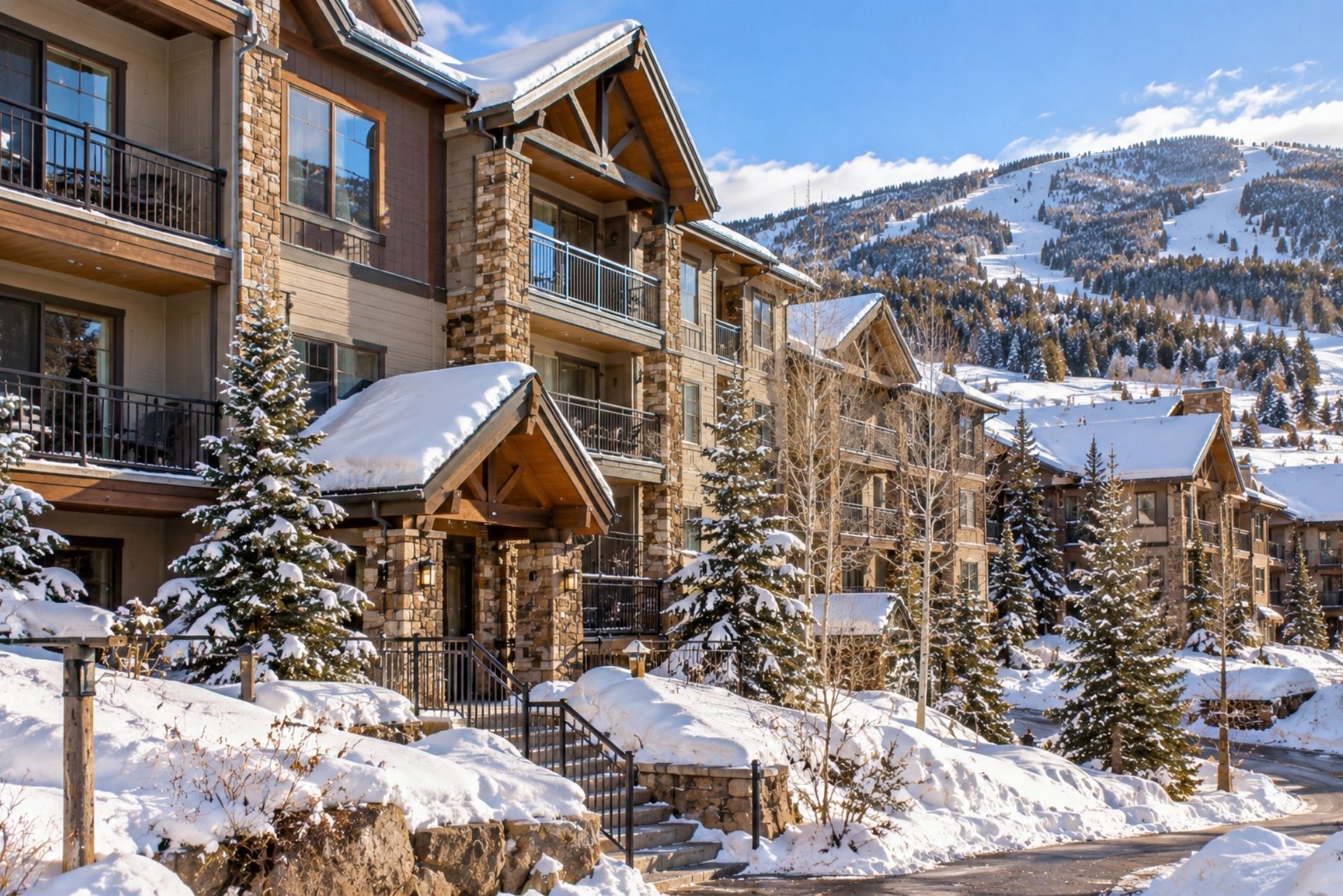
Common areas in a Keystone condo complex often include lobbies, fitness rooms, hot tubs, ski storage rooms, parking structures, and exterior walkways. The master policy should cover these spaces for
property damage, including damage from fire, wind, hail, and water. Hail alone
accounts for 26% to 54% of total premium expenses across Colorado counties, so your association's property limits need to reflect replacement costs, not outdated valuations from five years ago.

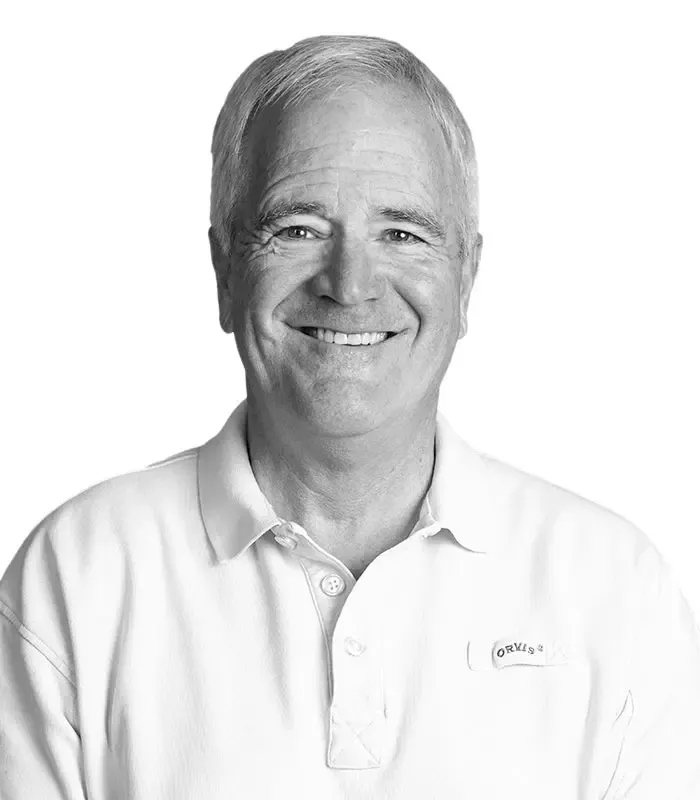
By: John Jacquat
Founder & President
Essential Liability Protections for HOA Boards
Property coverage protects the buildings. Liability coverage protects the people who run the association and the community's financial reserves. Both matter, and they serve different purposes.
Directors and Officers (D&O) Insurance
Board members make decisions about budgets, vendor contracts, maintenance schedules, and rule enforcement. Any of those decisions can trigger a lawsuit from a disgruntled owner or a third party. D&O insurance covers legal defense costs and settlements arising from board actions taken in good faith. Without it, individual board members could face personal financial exposure.
One trend worth watching: social engineering fraud targeting condo boards has risen sharply in 2026, with hackers impersonating vendors to redirect association payments. Some D&O or crime policies now include coverage for these losses, but many don't. Ask your broker specifically about this.
General Liability for Shared Spaces
General liability covers bodily injury and property damage claims from third parties on association property. A visitor who slips on an icy walkway, a delivery driver who trips on a broken stair, a child injured at the pool: these all fall under general liability. Given Keystone's winter conditions, slip-and-fall exposure is constant from October through April. Your policy limits should reflect that reality, not a minimum statutory requirement designed for a flat-terrain community.
Regional Risks: Snow, Ice, and High Altitudes
Keystone's elevation and climate create risks that lowland associations simply don't face. Snow load, ice damming, frozen pipes, and rapid temperature swings are annual certainties here, not rare events. Your condo association insurance needs to account for these mountain-specific exposures across master property, water damage, and liability categories.
Managing Roof Loads and Ice Damming Claims
Heavy snowpack on flat or low-slope roofs can exceed structural load limits. Ice dams form when heat escapes through the roof, melting snow that refreezes at the eaves and forces water under shingles. Both scenarios cause interior water damage to top-floor units and common areas. Standard property policies typically cover the resulting water damage, but they won't pay for the roof maintenance that prevents it.
Boards should budget for regular snow removal from roofs and document those efforts. Insurers increasingly evaluate exposure quality and risk management practices when setting premiums. An association that can show proactive maintenance gets better underwriting outcomes than one filing preventable claims.
Sewer Backup and Pipe Burst Coverage
Pipe bursts are the single most common winter claim we see in mountain condo communities. When a unit sits vacant for a few days during a cold snap, pipes in exterior walls or unheated spaces freeze and rupture. The resulting water damage can affect multiple units and common areas in a single event.
Sewer backup coverage is often excluded from standard master policies unless specifically endorsed. This matters because snowmelt and ground saturation can overwhelm aging sewer infrastructure. Check whether your policy includes sewer and drain backup, and verify the sub-limit. A $10,000 sub-limit won't cover much when a basement mechanical room floods.
Comparing Master Policy Scope vs. Individual HO-6 Policies
The master policy and your individual HO-6 policy aren't duplicates. They're designed to work together, with each covering a specific layer. Problems arise when owners assume the association's policy handles everything, or when the association assumes owners are filling the gaps.
Coverage Responsibility Comparison Table
| Coverage Area | Master Policy (Association) | HO-6 Policy (Unit Owner) |
|---|---|---|
| Building exterior and roof | Yes | No |
| Common area damage | Yes | No |
| Interior walls, floors, cabinets (bare walls model) | No | Yes |
| Personal belongings | No | Yes |
| Loss assessment (special assessment after a claim) | No | Yes, if endorsed |
| Unit owner liability (guest injury inside unit) | No | Yes |
| General liability (shared spaces) | Yes | No |
| Short-term rental liability | Varies | Owner's responsibilit |
The loss assessment line deserves special attention. When the association's master policy deductible is $25,000 or $50,000, that cost gets passed to unit owners as a special assessment. Experts recommend carrying
at least $25,000 in loss assessment coverage on your HO-6 policy to absorb that hit. Many owners carry only $1,000 or $2,000, which is dangerously low for a Keystone property.
Common Questions About Keystone Condo Insurance
These are the questions we hear most often from both board members and individual owners. The answers depend on your specific policy language, but these general principles apply across most Keystone associations.
FAQ: Does the association cover my personal items?
No. The master policy never covers personal belongings like furniture, clothing, electronics, or artwork. You need an HO-6 policy with adequate personal property limits. If your association uses a bare walls coverage model, your HO-6 also needs to cover interior finishes and improvements.
FAQ: What happens if a visitor slips on ice in the parking lot?
The association's general liability policy responds to this claim, assuming the parking lot is a common area. The association's duty to maintain safe conditions, including snow and ice removal, directly affects whether the insurer will defend or settle the claim. Document your snow removal schedule and contracts.
FAQ: Why did our association premiums increase this year?
Colorado's insurance market has been punishing for property owners. Hail damage, wildfire exposure, and rising construction costs are the primary drivers. Underwriters are also differentiating more aggressively based on risk quality, meaning associations with poor claims histories or deferred maintenance pay significantly more. Filing fewer small claims and investing in preventive maintenance are the two most effective ways to control costs.
FAQ: Do I need extra coverage if I rent my unit out?
Yes. Keystone has the most permissive short-term rental rules in Summit County, with no license caps and an 8.375% tax rate. But permissive regulations don't mean your standard HO-6 policy covers rental activity. Most personal condo policies exclude or limit coverage when you rent to paying guests. You'll need a landlord or short-term rental endorsement, and you should verify that the association's master policy doesn't exclude claims arising from STR activity in individual units. Some associations now require proof of rental-specific insurance before approving an owner's STR license.
Making the Right Choice for Your Community
Condo association insurance in Keystone touches every part of community life, from the roof overhead to the pipes in the walls to the guests walking through the parking lot. The interplay between your master property policy, liability protections, snow and water damage coverage, short-term rental exposures, and deductible structures requires annual review, not a set-it-and-forget-it approach.
Board members should schedule a policy review with a broker who specializes in mountain resort properties at least once a year, ideally 90 days before renewal. Owners should pull out their HO-6 policy and confirm their loss assessment limits, personal property coverage, and rental endorsements match their actual risk.
Colorado's new legislative requirements for construction defect claims, which now demand a 65% owner vote before an association can file suit, add another reason to keep your insurance protections strong. When litigation becomes harder to pursue, insurance becomes your primary safety net. Don't wait for a frozen pipe or a slip-and-fall claim to find out what your policy actually covers. Review it now, while you still have time to fix the gaps.
ABOUT THE AUTHOR:
John Jacquat
As President of Pure Risk Advisors, I’m dedicated to helping clients protect what matters most through clear, personalized insurance solutions. Since 2009, my focus has been delivering trusted coverage and guidance for individuals and businesses across Colorado and beyond.
The Pure Risk Process
Process of Working With A Business Insurance Agent in Colorado

Risk Analysis & Tailoring
Embark on a meticulous exploration of your business's unique vulnerabilities and aspirations. Pure Risk Advisors goes beyond mere coverage, ensuring you're equipped with solutions finely tuned to Colorado’s distinct business landscape.

Strategic Business Consultation
Dive deep into a strategic session with our seasoned specialists. By delving into your business model, aspirations, and challenges, we align our insurance recommendations not just to protect but to propel your business forward, keeping in mind Colorado’s intricate regulatory environment.

Swift Policy Integration
Upon discerning the optimal protection strategy, we streamline the activation process. Partnering with Pure Risk Advisors means more than just business insurance – it's about securing your enterprise's future with unmatched diligence and expertise in Colorado.
Pure Risk Advisors Team
Meet Our Colorado Professional Team Members
Meet the heart and soul of Pure Risk Advisors: our exceptional team. Each individual has been meticulously selected not just for their deep-rooted industry knowledge, but for their passion and commitment to genuinely serve our clients.
We pride ourselves on forging more than just business transactions; we build relationships. Our team doesn't see you as just another policy number. Instead, they view every interaction as a partnership, crafting solutions that resonate with your unique needs.
Dive in, get to know us, and discover firsthand why our team makes all the difference.


Client Testimonials
Amazing Feedback About Pure Risk Advisors


In today’s insurance marketplace, innovation and originality are important - but unless they’re accompanied by integrity and personalized service, they do little to accomplish a club owner’s goals. ACE National is proud to recognize John Jacquat and his company, Pure Risk Solutions, as one of our top-ranked premier industry providers. John has consistently mastered achievement in leadership, creating the best product for a client’s needs and following through on his word. I can recommend Mr. Jacquat without reserve if you’re in the market for club insurance.
Angelina Spencer
Executive Director of Ace National
Business Insurance Coverage in Colorado
Commercial Insurance Options
Business Owner's Policy
Coverage for property damage, liability, and business interruption combined.
General Liability Insurance
Protects against business liabilities like bodily injury and property damage.
Workers' Comp. Insurance
Covers employee injury costs, ensuring business and worker protection.
Professional Liability Insurance
Guard against professional mistakes, negligence, or services rendered failures.
Commercial Property Insurance
Broad protection against business-related injuries or property damage claims.
Commercial Auto Insurance
Coverage for business vehicles against damage, injury, or liability.
We've been serving Colorado Business Since 2009
Industries Served
Latest News & Blog
Read Our Latest Articles