Steamboat Springs Condo Association Insurance
9:00am - 5:00pm Mon-Fri
We'll Reply in 15min*
Running a condo association in Steamboat Springs means dealing with risks that most boards in Denver or Colorado Springs never think about. Wildfire exposure, heavy snow loads on aging roofs, a revolving door of short-term rental guests, and the financial pressure of resort-town premiums all collide in a single insurance program. Colorado has become the 6th most expensive state for homeowners insurance in 2026, with average annual premiums reaching $4,164, more than double what they were in 2020. For condo associations in the Yampa Valley, those numbers are often far worse.
Your board's insurance decisions affect every owner's monthly dues, every guest's safety, and every director's personal liability. A gap in your
master policy can turn a burst pipe into a six-figure special assessment. An outdated liability limit can expose board members to lawsuits they assumed they were protected from. This guide breaks down the specific coverage types your Steamboat Springs condo association needs: property, liability, D&O, wildfire, snow load, and short-term rental exposures. We'll walk through policy structures, Colorado-specific requirements, and the questions your board should be asking right now.
Understanding Master Policy Basics in Steamboat Springs
Every condo association carries a master policy, but the type of master policy you carry determines where the association's responsibility ends and the unit owner's begins. Getting this wrong is one of the most common mistakes we see boards make, and it creates confusion that only surfaces after a loss.
Bare Walls vs. All-In Coverage Models
A bare-walls policy covers the building's structure, common elements, and original fixtures as they were built. If an owner upgraded their kitchen with custom cabinets and granite countertops, those improvements aren't covered under bare walls. The owner's individual HO-6 policy picks up the difference. An all-in policy, on the other hand, covers improvements made by individual owners up to the association's coverage limits. This sounds generous, but it also drives up the association's premiums and creates disputes about what qualifies as an "improvement" versus a "betterment."
Most Steamboat associations we've worked with use a bare-walls or single-entity approach. The key is making sure your CC&Rs and your actual policy language match. If your governing documents say "all-in" but your policy is bare walls, you've got a coverage gap that no one discovers until a claim hits.
Common Area Property Protection
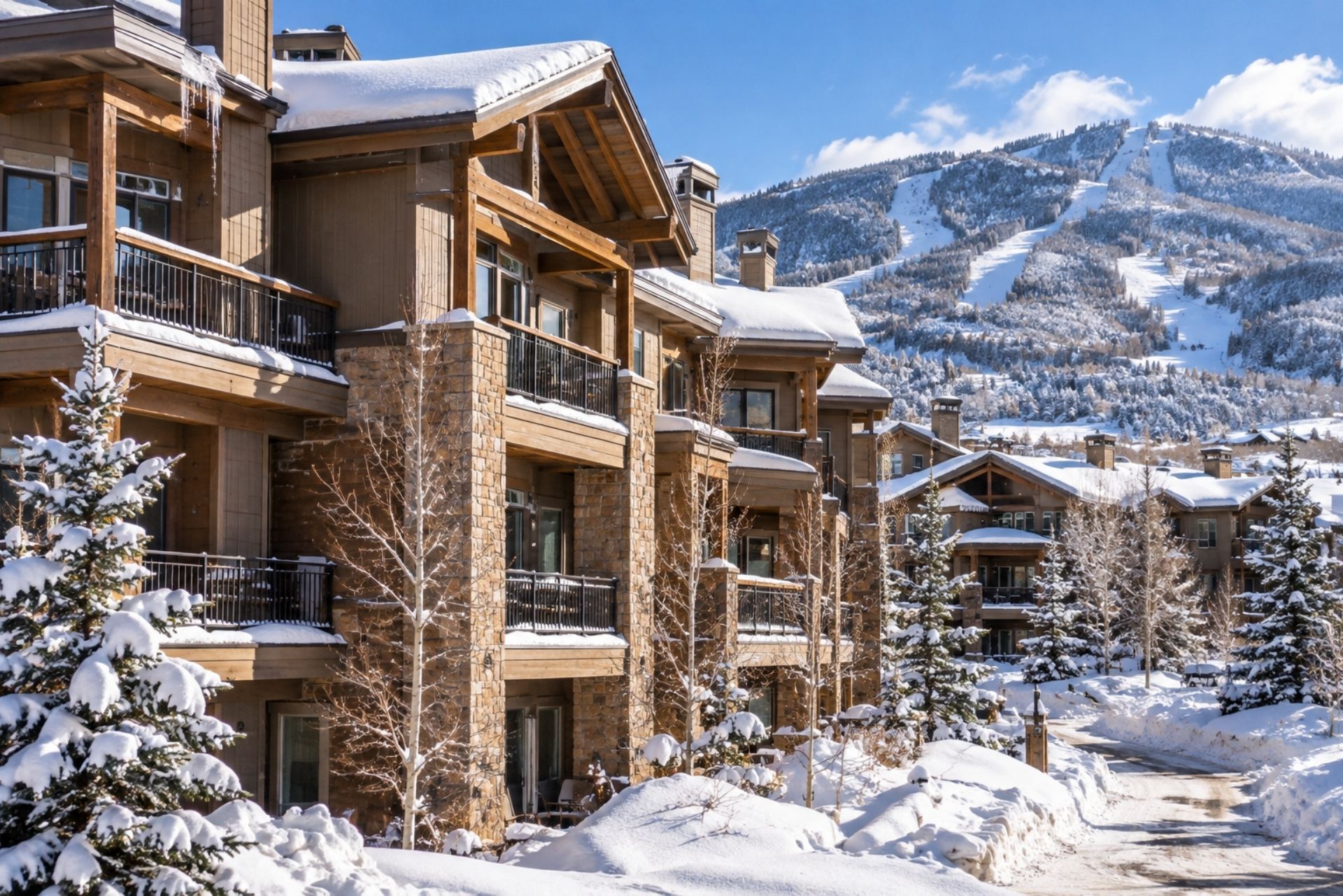
Common areas in a mountain resort condo go well beyond hallways and lobbies. Think heated parking structures, outdoor hot tubs, fitness centers, ski lockers, and extensive landscaping. Each of these carries its own risk profile. A hot tub failure can cause water damage to units below. A parking garage collapse under snow load can total multiple vehicles and injure residents.
Your master policy should list these common elements with specific valuations. Don't rely on a blanket coverage amount that hasn't been updated since the building was constructed. Replacement costs in Routt County have climbed sharply, and an outdated valuation means you're self-insuring the difference.

By: John Jacquat
Founder & President
Critical Liability and Specialized Colorado Coverage
Liability coverage protects the association when someone gets hurt on the property or when the board's decisions cause financial harm. In a resort town, the volume of visitors and the severity of weather-related risks make this coverage category especially important.
General Liability for Mountain Resorts
General liability covers bodily injury and property damage claims from third parties. A guest slips on an icy walkway. A child gets hurt in the pool area. A delivery driver trips on a broken step. These claims happen frequently in resort properties because foot traffic is high and conditions change fast.
Your policy limits should reflect the actual exposure. A 20-unit building that hosts hundreds of short-term rental guests per season has a very different risk profile than a 20-unit owner-occupied complex. For mountain resort associations, experts recommend liability limits of $2M–$5M per occurrence and $5M–$10M aggregate to account for rising litigation costs and Colorado statutory caps (https://www.theinsuranceloft.com/condo-insurance-colorado/colorado-springs), though larger properties or those with significant rental activity should consider umbrella coverage on top of that.
Directors and Officers (D&O) Protection
D&O insurance protects board members from personal liability when they're sued over association decisions. In 2026, this coverage matters more than ever. D&O policies for associations are seeing 5 to 10% premium increases this year, driven largely by litigation over special assessments triggered by rising insurance costs. It's a vicious cycle: premiums go up, dues go up, owners sue the board, and D&O premiums go up again.
If your board is making decisions about reserve funding, special assessments, or vendor contracts without D&O coverage, every director is personally exposed. Volunteer board members often don't realize this until they receive a demand letter.
Environmental and Snow-Related Risks
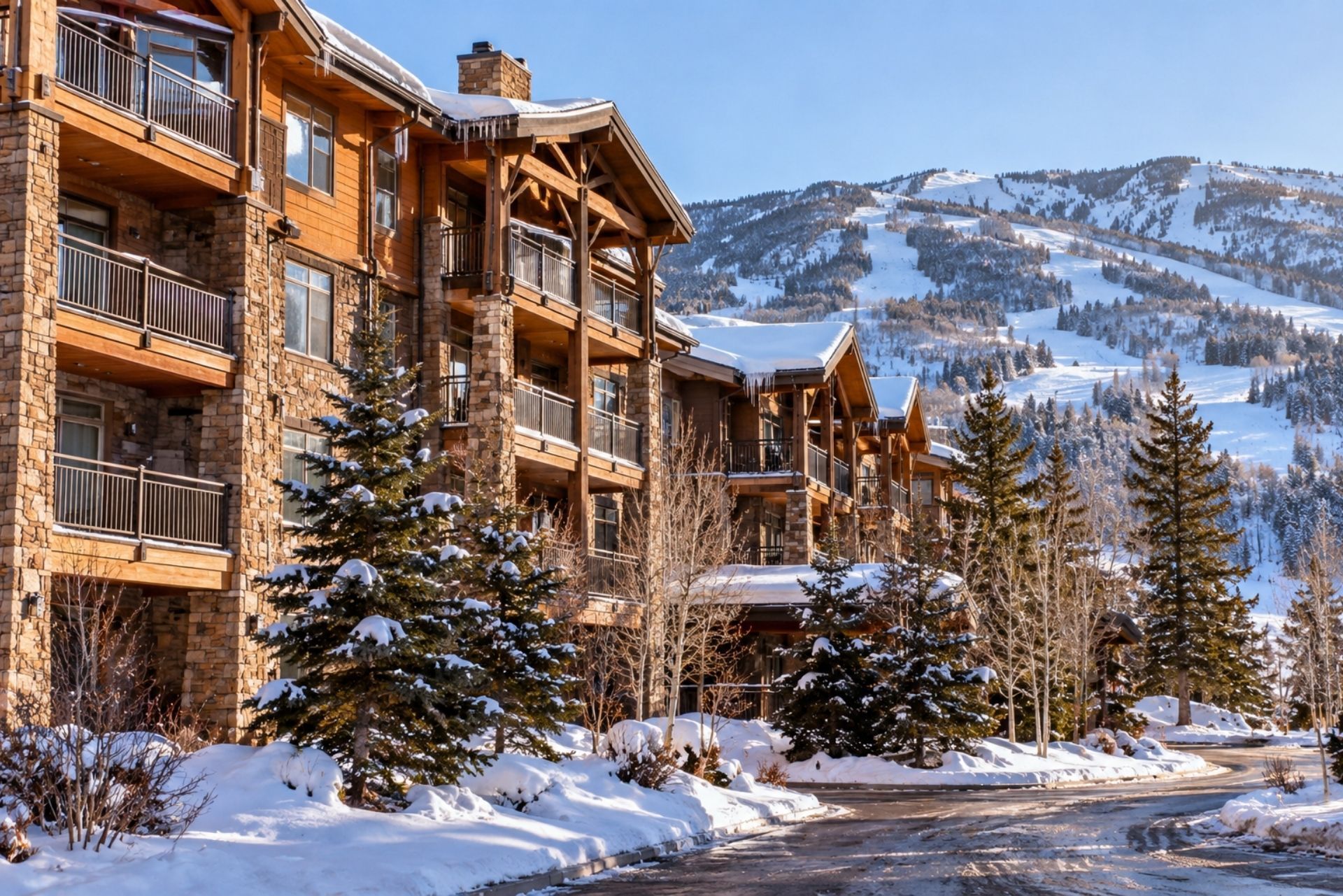
Steamboat Springs averages over 150 inches of snow annually, and that snow creates real structural risk. Insurers are increasingly requiring professional snow removal contracts that include roof shoveling coverage to maintain property eligibility in mountain regions. If your association doesn't have a documented snow removal plan with a qualified contractor, you may find your policy non-renewed at the worst possible time.
Wildfire is the other major environmental exposure. In high-risk zones around Steamboat, condo associations face premium increases of 150% to 300%, with some Routt County properties paying over $10,000 per unit annually. Mitigation efforts like defensible space, fire-resistant roofing, and ember-resistant vents can help, but they won't eliminate the cost pressure entirely.
Comparing Policy Types for HOA Boards
Not all association policies are built the same. The difference between a basic and comprehensive program can mean the difference between a manageable claim and a financial crisis.
Comparison Table: Basic vs. Comprehensive HOA Policies
| Coverage Feature | Basic Policy | Comprehensive Policy |
|---|---|---|
| Property Coverage | Building structure only | Structure + common area contents + equipment |
| Liability Limits | $1M per occurrence | $2M–$5M per occurrence + $5M umbrella |
| D&O Coverage | Not included | Included with defense costs |
| Wildfire/Flood | Excluded or sublimited | Full replacement with wildfire endorsement |
| Snow Load Damage | May require separate endorsement | Included with roof collapse coverage |
| Short-Term Rental Exposure | Not addressed | Commercial liability endorsement for guest activity |
| Loss Assessment | Minimal or none | Up to $50K per unit owner |
| Fidelity/Crime | Not included | Employee dishonesty + fraud coverage |
A basic policy might cost less upfront, but the gaps show up fast when a real claim occurs. Boards should weigh the premium difference against the potential for a special assessment that could run tens of thousands per unit.
Colorado law and your association's governing documents both impose insurance requirements. They don't always agree, and when they conflict, your board needs to know which takes priority.
Colorado State Statutes for Condo Associations
The Colorado Common Interest Ownership Act (CCIOA) requires associations to maintain property insurance on the common elements and, in many cases, on the units themselves. The statute also mandates fidelity coverage for anyone handling association funds. These aren't optional, and failure to comply can expose the board to personal liability.
Colorado's insurance market conditions add another layer. Rising premiums are now consuming roughly 30 to 40% of gross income from typical Steamboat mountain condos used as rentals. That squeeze forces boards to make hard choices about deductibles, coverage limits, and reserve contributions.
Aligning Insurance with Governing Documents
Your CC&Rs likely specify what the association must insure, what owners must insure, and how deductibles are allocated after a loss. Read these documents alongside your actual policy. We've seen associations where the CC&Rs require all-in coverage but the board purchased a bare-walls policy years ago and never corrected the mismatch.
Have your insurance agent and your association attorney review both documents together. This one step prevents more disputes than almost anything else a board can do.
Common Questions About Condo Association Insurance
Does our master policy cover unit owner upgrades? It depends on your policy type. A bare-walls policy does not cover owner upgrades like remodeled kitchens or hardwood floors. An all-in policy may cover them up to certain limits. Every owner should carry their own HO-6 policy regardless.
What happens if a guest is injured in the lobby? Your general liability policy covers bodily injury claims from guests and visitors in common areas. The association's policy responds first. If the injury happened due to a condition the board knew about and didn't fix, expect the claim to be more complicated and potentially more expensive.
Do we need extra coverage for short-term rentals? Yes. Standard master policies weren't designed for the volume and type of guest traffic that short-term rentals create. A commercial liability endorsement or a separate short-term rental rider addresses the increased exposure. Some insurers won't cover associations that allow rentals without this endorsement.
How do loss assessments work for individual owners? When a covered loss exceeds the master policy's limits or falls within the deductible, the board can levy a special assessment against unit owners. Owners can protect themselves with loss assessment coverage on their HO-6 policies; while standard policies often default to $1,000–$2,000, endorsements for $25,000 to $50,000 are recommended in Colorado to cover high master policy deductibles (https://thecondotrap.com/faq/).
Why is our premium higher in a resort town? Resort properties face higher claims frequency from guest injuries, weather damage, and property values that cost more to replace. Wildfire and snow load exposure in Steamboat Springs push premiums well above Colorado averages. As one industry observer put it, "the market isn't going to solve this by itself", and associations need to get creative with mitigation, higher deductibles, and competitive bidding.
Protecting Your Community Assets Long-Term
Condo association insurance in Steamboat Springs isn't a set-it-and-forget-it line item. The combination of wildfire risk, snow load exposure, short-term rental liability, and rising D&O claims means your board needs to review coverage annually, not just at renewal. Update your property valuations to reflect current replacement costs. Require documented snow removal and wildfire mitigation programs. Make sure every owner understands their HO-6 responsibilities.
The boards that protect their communities best are the ones that treat insurance as a strategic decision, not an administrative chore. Get your agent, your attorney, and your property manager in the same room at least once a year. Compare your CC&R requirements against your actual policies. Budget for premium increases and build reserves that can absorb a high deductible without a panic assessment.
If your association hasn't reviewed its insurance program in the last 12 months, start there. The cost of a coverage gap is always higher than the cost of getting it right.
ABOUT THE AUTHOR:
John Jacquat
As President of Pure Risk Advisors, I’m dedicated to helping clients protect what matters most through clear, personalized insurance solutions. Since 2009, my focus has been delivering trusted coverage and guidance for individuals and businesses across Colorado and beyond.
The Pure Risk Process
Process of Working With A Business Insurance Agent in Colorado

Risk Analysis & Tailoring
Embark on a meticulous exploration of your business's unique vulnerabilities and aspirations. Pure Risk Advisors goes beyond mere coverage, ensuring you're equipped with solutions finely tuned to Colorado’s distinct business landscape.

Strategic Business Consultation
Dive deep into a strategic session with our seasoned specialists. By delving into your business model, aspirations, and challenges, we align our insurance recommendations not just to protect but to propel your business forward, keeping in mind Colorado’s intricate regulatory environment.

Swift Policy Integration
Upon discerning the optimal protection strategy, we streamline the activation process. Partnering with Pure Risk Advisors means more than just business insurance – it's about securing your enterprise's future with unmatched diligence and expertise in Colorado.
Pure Risk Advisors Team
Meet Our Colorado Professional Team Members
Meet the heart and soul of Pure Risk Advisors: our exceptional team. Each individual has been meticulously selected not just for their deep-rooted industry knowledge, but for their passion and commitment to genuinely serve our clients.
We pride ourselves on forging more than just business transactions; we build relationships. Our team doesn't see you as just another policy number. Instead, they view every interaction as a partnership, crafting solutions that resonate with your unique needs.
Dive in, get to know us, and discover firsthand why our team makes all the difference.




Client Testimonials
Amazing Feedback About Pure Risk Advisors


In today’s insurance marketplace, innovation and originality are important - but unless they’re accompanied by integrity and personalized service, they do little to accomplish a club owner’s goals. ACE National is proud to recognize John Jacquat and his company, Pure Risk Solutions, as one of our top-ranked premier industry providers. John has consistently mastered achievement in leadership, creating the best product for a client’s needs and following through on his word. I can recommend Mr. Jacquat without reserve if you’re in the market for club insurance.
Angelina Spencer
Executive Director of Ace National
Business Insurance Coverage in Colorado
Commercial Insurance Options
Business Owner's Policy
Coverage for property damage, liability, and business interruption combined.
General Liability Insurance
Protects against business liabilities like bodily injury and property damage.
Workers' Comp. Insurance
Covers employee injury costs, ensuring business and worker protection.
Professional Liability Insurance
Guard against professional mistakes, negligence, or services rendered failures.
Commercial Property Insurance
Broad protection against business-related injuries or property damage claims.
Commercial Auto Insurance
Coverage for business vehicles against damage, injury, or liability.
We've been serving Colorado Business Since 2009
Industries Served
Latest News & Blog
Read Our Latest Articles